

As February transitions into early March over Delaware’s First State landscape, your hot tub has likely seen months of heavy winter use providing warm refuge during cold snaps, hosting cozy gatherings, and offering therapeutic relief when outdoor activities were limited. Now, as we stand at the threshold between winter and spring, it’s time to give your spa the deep cleaning it deserves.
Hot tub deep cleaning in Delaware is a critical maintenance checkpoint that protects your investment, ensures optimal performance, and sets you up for seamless enjoyment as warmer weather approaches. This comprehensive refresh addresses the buildup and wear accumulated during winter’s heaviest usage period, preparing your hot tub for the outdoor entertaining season ahead.
Why February and Early March Are the Ideal Time for Deep Cleaning
Timing matters when it comes to spa maintenance, and February spa maintenance in Lewes and throughout Delaware offers distinct advantages that extend into early March. After three to four months of consistent winter use, biofilm, minerals, and chemical residue have accumulated in your hot tub’s plumbing, on surfaces, and within filtration systems. These contaminants reduce water quality, strain your equipment, and can harbor bacteria if left unaddressed.
The milder days of late winter and early spring, before the intense heat of summer but after winter’s harshest conditions, create ideal working conditions for draining and refilling your spa. You’re also getting ahead of spring’s arrival, when you’ll want your hot tub ready for evening soaks and outdoor gatherings. Most importantly, this proactive approach prevents minor issues from escalating into costly repairs, ensuring your hot tub delivers peak performance when you need it most.
Your Step-by-Step Hot Tub Deep Cleaning Guide
Draining and Cleaning the Shell
Begin your spring hot tub preparation by completely draining your spa. Most hot tubs should be drained every three to four months, and after a winter of heavy use, your system is due for a fresh start.
The draining process:
- Turn off power to the unit completely
- Attach a garden hose to the drain valve
- Direct water away from your home’s foundation
- Once empty, you have the perfect opportunity to thoroughly clean the shell
Use a non-abrasive cleaner specifically designed for acrylic or fiberglass hot tub shells—household cleaners can damage surfaces and leave residue that affects water chemistry. Work in sections with a soft microfiber cloth, paying special attention to the waterline where oils, lotions, and minerals create stubborn buildup.
While the tub is empty, inspect the entire shell for cracks, chips, or signs of wear that might need professional attention. This visual inspection is impossible when the tub is full, making it a crucial part of your deep cleaning routine.
Filter Maintenance and Replacement
Your hot tub’s filtration system is its first line of defense against contaminants, and winter’s heavy use takes a toll on filter cartridges. Remove all filters and inspect them carefully under bright light. If filters show signs of compressed pleats, permanent discoloration, or damaged fabric, replacement is necessary. For filters still in serviceable condition, deep cleaning can restore performance.
Filter deep cleaning steps:
- Rinse thoroughly with a garden hose, spraying between each pleat
- Soak in a chemical filter cleaner designed to break down oils, minerals, and organic matter
- Allow to soak for the manufacturer’s recommended time (typically 8-12 hours)
- Rinse again thoroughly and allow to dry completely before reinstalling
Delaware’s water tends to have higher mineral content in many areas, which accelerates filter clogging and makes this deep cleaning step especially important. Consider keeping a spare set of filters on hand so you can rotate them, extending the life of both sets.
Jet Inspection and Cleaning
With your hot tub empty, examine each jet carefully for mineral buildup, debris, or reduced functionality. Calcium and magnesium deposits—common in Delaware’s water supply—can accumulate around jet openings and internal mechanisms, restricting water flow and reducing the massage experience you’ve come to enjoy.
Jet maintenance checklist:
- Remove jets by turning counterclockwise (for models with removable jets)
- Use a soft brush and diluted vinegar solution to dissolve mineral deposits
- Clean internal components and check for cracks or damage
- Test each jet’s rotation mechanism to ensure smooth operation
- Replace any jets showing signs of cracking or that won’t rotate properly
This attention to detail ensures that when you refill your spa, every jet delivers the powerful, therapeutic massage you expect.
Cover Inspection and Care
Your hot tub cover has been working overtime throughout Delaware’s winter, insulating your spa through freezing temperatures, bearing the weight of snow and ice, and protecting water from debris. According to the U.S. Department of Energy, a properly fitted hot tub cover can reduce heating costs by 50-75%, making cover maintenance an energy-efficiency priority as well as a cleanliness concern.
Cover inspection points:
- Check both sides for tears, waterlogging (heavy sagging sections), UV damage, and mildew
- Clean the underside with a mild bleach solution to eliminate mold or bacteria, then rinse thoroughly
- Clean the topside with a cover-specific cleaner
- Treat with a UV protectant to prevent cracking and fading
- Inspect all locks, straps, and hardware for winter damage
- Ensure the cover still creates a proper seal
A waterlogged or damaged cover loses insulating value and can become a breeding ground for contaminants, so replacement may be necessary if winter has taken its toll.
Refilling and Water Chemistry Rebalancing
Once your shell is clean, filters are refreshed, jets are functioning, and your cover is inspected, it’s time to refill. Position your garden hose over the filter compartment to minimize air pockets in the plumbing, and fill to the recommended level indicated in your owner’s manual. Before restoring power, check all unions and connections to ensure everything is properly sealed.
Water chemistry balancing process:
- Allow water to heat and circulate for at least four hours before adding chemicals
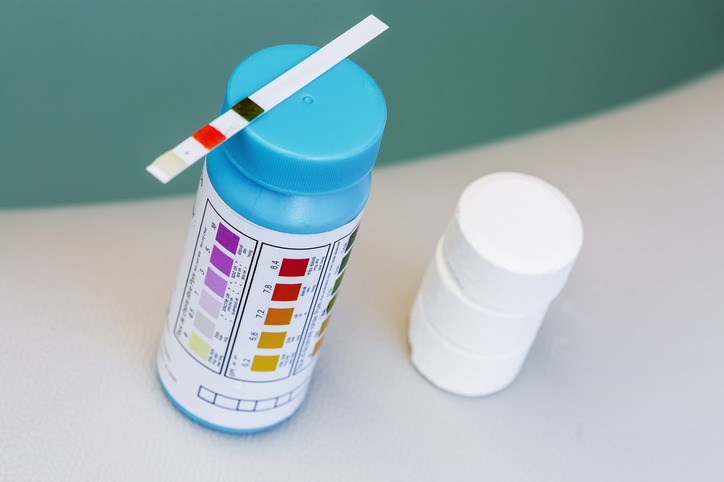
- Test pH, total alkalinity, and sanitizer levels using reliable test strips or a liquid test kit
- Start with total alkalinity adjustments first
- Then adjust pH to the ideal range of 7.2 to 7.8
- Finally, add your preferred sanitizer—whether chlorine, bromine, or a mineral system
According to the Centers for Disease Control and Prevention, proper hot tub water chemistry is essential for preventing recreational water illnesses, with pH levels ideally maintained between 7.2 and 7.8 and sanitizer levels kept within manufacturer specifications. Delaware’s water chemistry varies by region, so your initial balancing may require adjusting for local mineral content and pH characteristics. This systematic approach creates stable water chemistry from the start, preventing the frustrating cycle of overcorrection that plagues many hot tub owners.
Essential Products and Accessories for Your Deep Clean
A successful hot tub deep cleaning in Delaware requires the right supplies. Quality shell cleaners formulated specifically for spa surfaces prevent damage while effectively removing buildup. Chemical filter cleaners are essential for deep-cleaning cartridges, while having spare filters on hand eliminates downtime during the soaking process. A comprehensive chemical starter kit designed for fresh fills takes the guesswork out of initial water balancing, providing the right products in appropriate quantities for new water.
Don’t overlook cover care products—UV protectants and cleaners extend cover life significantly, protecting your investment in energy efficiency. Reliable testing supplies, whether strips or liquid reagents, are non-negotiable for maintaining proper water chemistry between professional service visits. While these products represent an upfront investment, they’re far more economical than premature equipment replacement or water quality problems that force additional drain-and-fill cycles.
Set Yourself Up for Spring Success
The late winter period between February and early March offers the perfect window for this essential maintenance checkpoint. A thorough hot tub deep cleaning in Delaware protects your investment, ensures your equipment performs optimally, and guarantees that when the first warm spring evening arrives, your spa is ready to deliver the relaxation and therapeutic benefits you value. This proactive approach to spring hot tub preparation in Millsboro and throughout the state transforms maintenance from a reactive chore into a strategic advantage—one that maximizes equipment lifespan, minimizes repair costs, and ensures uninterrupted enjoyment.
Don’t let winter’s buildup compromise your spring and summer soaking experience.
If you have questions, the experienced team at Delaware Hot Tubs is available to provide guidance and professional service at our Lewes and Millsboro showrooms.