

Proper hot tub water chemistry is essential for protecting your health, preserving your spa equipment, and maximizing your investment. For Delaware spa owners, understanding the basics of water balance becomes even more critical due to our unique coastal climate.
Mastering hot tub water chemistry ensures every soak is safe, comfortable, and rejuvenating. This comprehensive hot tub water care guide will walk you through everything you need to know about maintaining balanced spa water.
The Four Pillars of Hot Tub Water Chemistry
Understanding hot tub chemical levels starts with four fundamental components that work together to create the perfect soaking environment.
pH balance serves as the foundation of your spa pH balance guide. The ideal range sits between 7.2 and 7.8, slightly alkaline to match your body’s natural chemistry. According to the Centers for Disease Control and Prevention, maintaining proper pH levels in recreational water is crucial for preventing skin and eye irritation and ensuring sanitizers work effectively. When pH drifts too high, your water becomes cloudy, sanitizers lose effectiveness, and scale deposits form on surfaces and equipment. Too low, and the water becomes corrosive, damaging your spa components while causing uncomfortable skin irritation.
Total alkalinity acts as your pH buffer, maintaining stability in your hot tub water chemistry. The sweet spot for alkalinity in hot tubs ranges from 80 to 120 parts per million (ppm). Think of alkalinity as a shock absorber for your pH—when properly balanced, it prevents wild pH swings that can occur from adding chemicals or introducing contaminants. Delaware spa owners should pay particular attention to alkalinity, as our varying water sources can significantly impact starting levels.
Sanitizer levels represent your primary defense against harmful bacteria and pathogens. Whether you choose chlorine or bromine, maintaining proper sanitizer levels in your spa is non-negotiable. The CDC recommends free chlorine levels between 2-4 ppm for hot tubs, while bromine should stay between 3-5 ppm. These chemicals work continuously to eliminate contaminants, but they only function effectively when pH balance is correct—another reason why all four pillars must work in harmony.
Calcium hardness prevents both scale buildup and corrosion by maintaining mineral balance in your water. For hot tubs, aim for 150-250 ppm of calcium hardness. Delaware’s coastal water, particularly in areas like Lewes and Millsboro, often contains varying mineral content depending on whether you’re using well water or municipal supplies. Too little calcium causes water to leach minerals from your spa’s plumbing and equipment, while excessive calcium creates unsightly scale deposits and cloudy water.
Testing Your Hot Tub Water
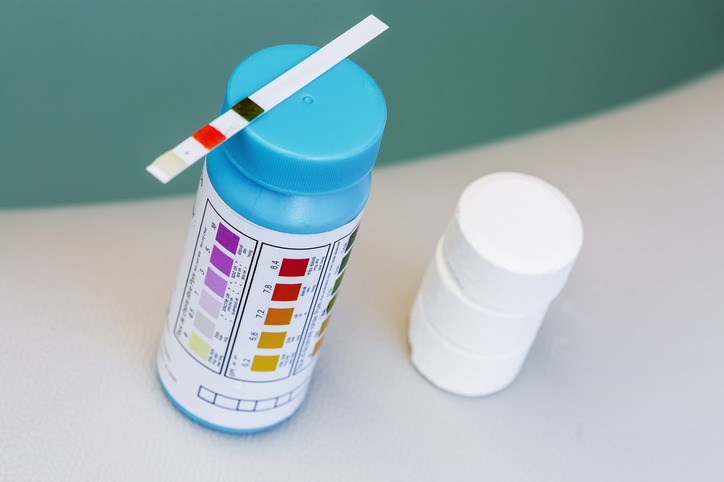
Consistent water testing represents the cornerstone of effective hot tub water care. Plan to test your hot tub water two to three times per week during regular use, increasing frequency after parties, heavy rainfall, or during particularly hot and humid Delaware summers.
You have several options for water testing hot tub chemistry. Test strips offer convenience and speed, providing results for multiple parameters in about 15 seconds. However, liquid test kits deliver more precise readings, especially important when you’re troubleshooting persistent water balance issues. Digital testers provide the highest accuracy but come with a higher price tag. For Delaware spa owners who want professional-grade analysis, bringing a water sample to your local spa dealer once monthly can identify trace issues before they become problems.
Common Water Balance Issues in Delaware’s Climate
Delaware spa owners face unique challenges due to our coastal location and variable water sources. Understanding these regional factors helps you maintain balanced spa water year-round.
High pH problems occur frequently in Delaware, particularly in inland areas like Millsboro where well water often contains higher mineral content. Our water naturally tends toward alkalinity, meaning you’ll likely reach for pH decreaser more often than pH increaser throughout the year.
Low alkalinity can surprise coastal Delaware residents, especially in Lewes where salt air and increased rainfall affect water chemistry. When alkalinity drops, your pH becomes unstable, bouncing up and down despite your best correction efforts. This creates a frustrating cycle that only resolves once you’ve restored alkalinity to proper levels.
Sanitizer depletion accelerates dramatically in hot, humid weather. Delaware summers, with temperatures regularly climbing into the 80s and 90s, cause chlorine to break down more rapidly through UV exposure and increased bather load. You’ll use more sanitizer during June through September than during our milder spring and fall months.
Calcium buildup presents another Delaware-specific challenge, particularly for homes using well water or living near the coast where mineral content runs higher. Regular testing and proactive management prevent the crusty white deposits that can form around your waterline and on heating elements.
Seasonal variations also impact your hot tub chemical levels. Summer brings increased evaporation, more frequent use, and faster chemical consumption. Winter, conversely, slows chemical reaction times and requires attention to maintaining consistent water temperature for accurate chemical effectiveness.
Step-by-Step Chemical Adjustment Procedures
When your tests reveal imbalanced water, correcting the issues follows a specific sequence for best results. Always adjust total alkalinity first, then pH, followed by sanitizer and calcium hardness. This order prevents you from chasing your tail as one adjustment affects another.
Step 1: Adjust Total Alkalinity First
Correcting alkalinity requires patience because it directly impacts pH. The close relationship between pH and alkalinity means adjusting one will affect the other, which is why you tackle alkalinity first in your correction sequence.
For high alkalinity, use pH decreaser products (the same sodium bisulfate you’d use for high pH, but in larger doses). Add the recommended amount based on your spa’s volume, run your jets for 20-30 minutes to circulate thoroughly, then wait four to six hours before retesting. You may need to repeat this process over several days to avoid overshooting your target. For low alkalinity, add alkalinity increaser, which is sodium bicarbonate or baking soda, to bring levels back to the 80-120 ppm range. Follow the same circulation and waiting period before retesting.
Step 2: Balance Your pH
Once alkalinity is stable, address pH imbalances. For pH readings above 7.8, add pH decreaser (sodium bisulfate or dry acid) according to package directions based on your spa’s volume, typically found on a sticker near your equipment or in your owner’s manual. Run your jets for at least 20 minutes to circulate the chemical thoroughly, then wait four to six hours before retesting. If pH drops below 7.2, add pH increaser, which is sodium carbonate or soda ash. Circulate well and retest after several hours to ensure you’ve hit your target range of 7.2-7.8.
Step 3: Maintain Sanitizer Levels
Balancing sanitizer levels involves both daily maintenance and weekly shocking. Add chlorine or bromine daily or every other day to maintain the baseline sanitizer levels spa water needs for continuous protection—2-4 ppm for chlorine or 3-5 ppm for bromine. Weekly, or after heavy use, shock your spa to break down organic contaminants and restore sanitizer effectiveness. For those sensitive to chlorine, non-chlorine shock options exist that oxidize contaminants without adding more sanitizer to your water. Always add shock with jets running and wait at least 20 minutes before using your spa.
Step 4: Address Calcium Hardness
Managing calcium hardness typically requires less frequent attention than other parameters. If your Delaware water source is naturally soft and calcium tests below 150 ppm, add calcium increaser to bring levels into the safe zone, protecting your equipment from corrosion. High calcium, more common in our area, requires a different approach since no chemical effectively removes excess calcium. Drain 25-30% of your spa water and refill with fresh water, which gradually reduces calcium concentration. Repeat partial water changes as needed until you reach the ideal 150-250 ppm range.
Golden Rules for All Chemical Adjustments
Remember these essential principles: add one chemical at a time, allow at least 20-30 minutes of circulation with jets running between additions, and always retest four to six hours later before making additional adjustments. Patience prevents overshooting your targets and creating new imbalances that require even more correction.
Your Hot Tub Water Care Maintenance Schedule
Consistency transforms hot tub water chemistry from a chore into a simple routine. Daily visual checks take only seconds—look for clarity and ensure your sanitizer dispenser hasn’t run empty. Two to three times weekly, conduct full water testing of all parameters. This frequency catches small drifts before they become major corrections.
Weekly tasks include shocking your spa and cleaning your filters with a quick rinse. Monthly, give those filters a deep clean by soaking them in filter cleaner solution and check all chemical levels thoroughly even if recent tests looked good. Every three to four months, drain and refill your entire spa. Heavy users or those who frequently entertain should shorten this interval to every two months. The total dissolved solids in your water gradually increase from chemical additions and contaminant breakdown, and eventually, the only solution is fresh water. Annually, schedule a professional water analysis and equipment inspection to catch potential problems before they lead to costly repairs.
Maintain Perfect Water Chemistry Year-Round
Delaware spa owners in Lewes, Millsboro, and throughout our coastal region benefit from understanding how our unique climate affects hot tub chemical levels. Whether you’re troubleshooting persistent cloudiness, fighting scale buildup, or simply want to establish a bulletproof maintenance routine, visit our Millsboro or Lewes showrooms for personalized water care guidance, professional water testing, quality chemicals and supplies, or expert guidance. With proper attention to hot tub water chemistry, your backyard oasis will provide endless enjoyment season after season.